

Dry skin is a common problem almost everyone has faced. After washing your face, it feels tight like a mask; your skin peels during season changes, makeup looks cakey, and your face constantly feels "uncomfortable."
But many people have always misunderstood one thing: dryness doesn't necessarily mean dehydration; sometimes, it's actually a lack of oil.
While the two sound similar, their skin conditions, causes, and care methods are entirely different. If you misidentify the type and use the wrong products, it will only lead to more dryness and sensitivity.
Today, we'll thoroughly break down the truth behind dry skin to help you find the right skincare approach for you.
Understanding Our Skin Structure

The epidermis starts from the basal layer, with cells pushing upwards layer by layer to the stratum spinosum, stratum granulosum, stratum lucidum, and finally becoming the stratum corneum, forming the outermost layer of skin we see. (Image source: Canva)
Water and oil are crucial for healthy skin. Skin is composed of 3 layers: the epidermis, dermis, and subcutaneous tissue. Among these, the stratum corneum of the epidermis and the hydrolipidic film are most responsible for skin dryness.
- Stratum Corneum: Contains natural moisturizing factors (NMF) responsible for absorbing and retaining water.
- Dermis: Rich in collagen, affecting elasticity and plumpness.
- Subcutaneous Tissue: Fat cells secrete sebum, forming a protective barrier to lock in moisture.
Simply put, water brings softness and smoothness, while oil provides stability and protection. If either one is out of balance, you'll experience dryness.
Dehydrated Skin: Dry, Tight, Peeling, Like "Unirrigated" Soil

Dehydrated skin is usually caused by excessive water loss from the stratum corneum due to factors like dry weather, strong air conditioning, over-cleansing, or insufficient water intake, leading to tight skin and fine lines. (Image source: Canva & Freepik)
Dehydrated skin feels rough and lacks elasticity. It starts feeling tight within 30 minutes of washing and may even show fine lines and flaking. Foundation often looks more cakey when applied.
Common causes of dehydration include: dry air-conditioned rooms, insufficient water intake, over-cleansing, age, and hormonal changes. When the natural moisturizing factors in the stratum corneum decrease, the skin becomes like parched land, and dryness naturally sets in.
Improving dehydration is not difficult; the core steps are: Hydrate → Retain Moisture → Lock in Moisture.
Choosing serums and creams containing hydrating ingredients like hyaluronic acid and glycerin can effectively improve tightness and fine lines.
Oil-Deficient Skin: Appears Oily, But Is Actually a "Damaged Protective Barrier"

When the skin barrier is damaged and moisture is lost in large amounts, the skin becomes dry and unstable, and oil secretion also becomes imbalanced, leading to the common "dry and oily" skin type. (Image source: Canva)
Many people mistakenly believe that "oily" skin means too much oil. In reality, many with oil-deficient skin experience "dry with oil" conditions—feeling rough, prone to redness, and noticeable pores—yet they feel facial oiliness is out of control.
The real reason is: the hydrolipidic film is too thin, and the skin lacks oil protection, making moisture evaporate more easily. To compensate, the skin then secretes even more oil, making it appear oilier.
Genetics, hormonal fluctuations, medications (like retinoids), and skin conditions can all lead to decreased sebum secretion, resulting in an oil-deficient state.
The approach to improving oil deficiency is: replenish oil, repair the hydrolipidic film, and strengthen the barrier.
Especially plant oils, squalane, and Omega fatty acids can repair the skin's protective layer.
Recommended Oil and Water Serums
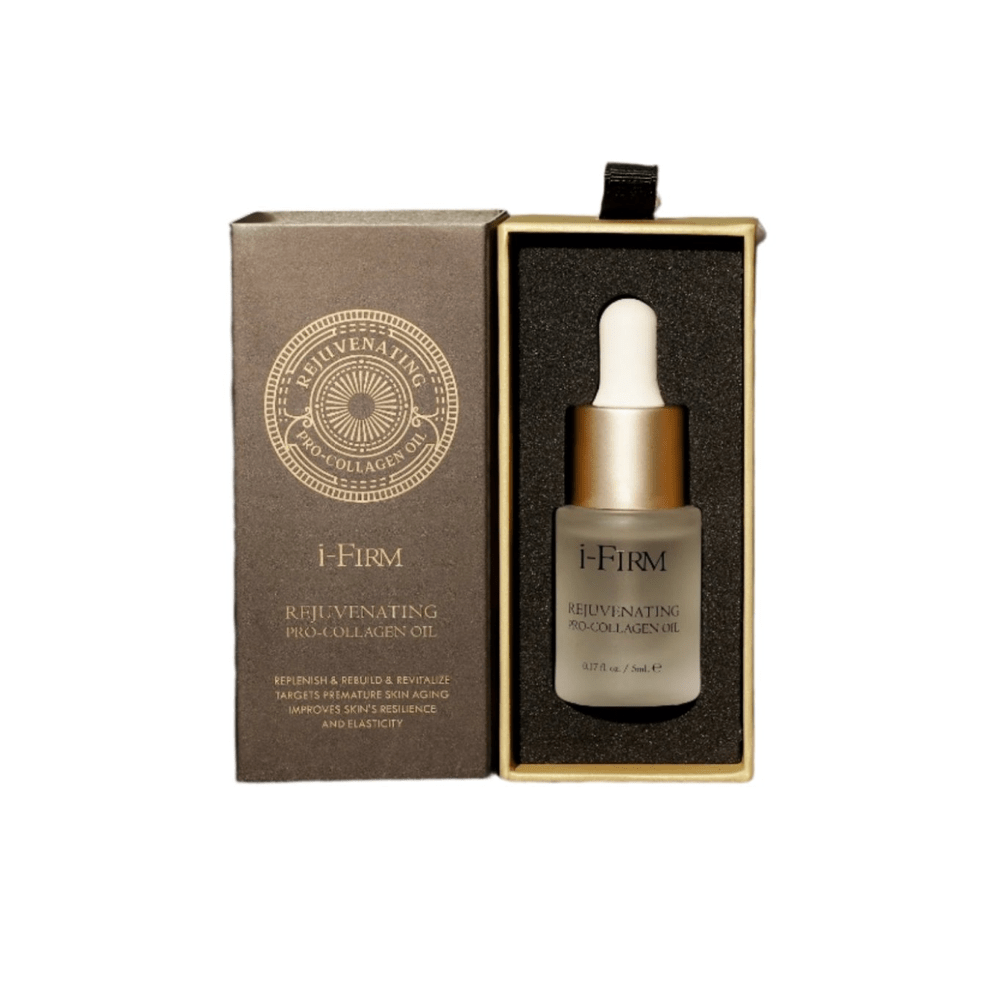
i-FIRM Rejuvenating Pro-Collagen Oil
The Black Gold Oil formula is centered around a variety of natural plant oils, including rosehip oil, helichrysum essential oil, frankincense, and is enriched with Vitamin E and soluble collagen, creating a lightweight yet highly restorative oil-replenishing essence. The natural fatty acids in plant oils help replenish the hydrolipidic film, reduce transepidermal water loss, thereby alleviating redness, roughness, and discomfort caused by dryness. Usage tests show that after 7 days of continuous use, skin softness improved, and fine lines became less noticeable due to increased hydration.
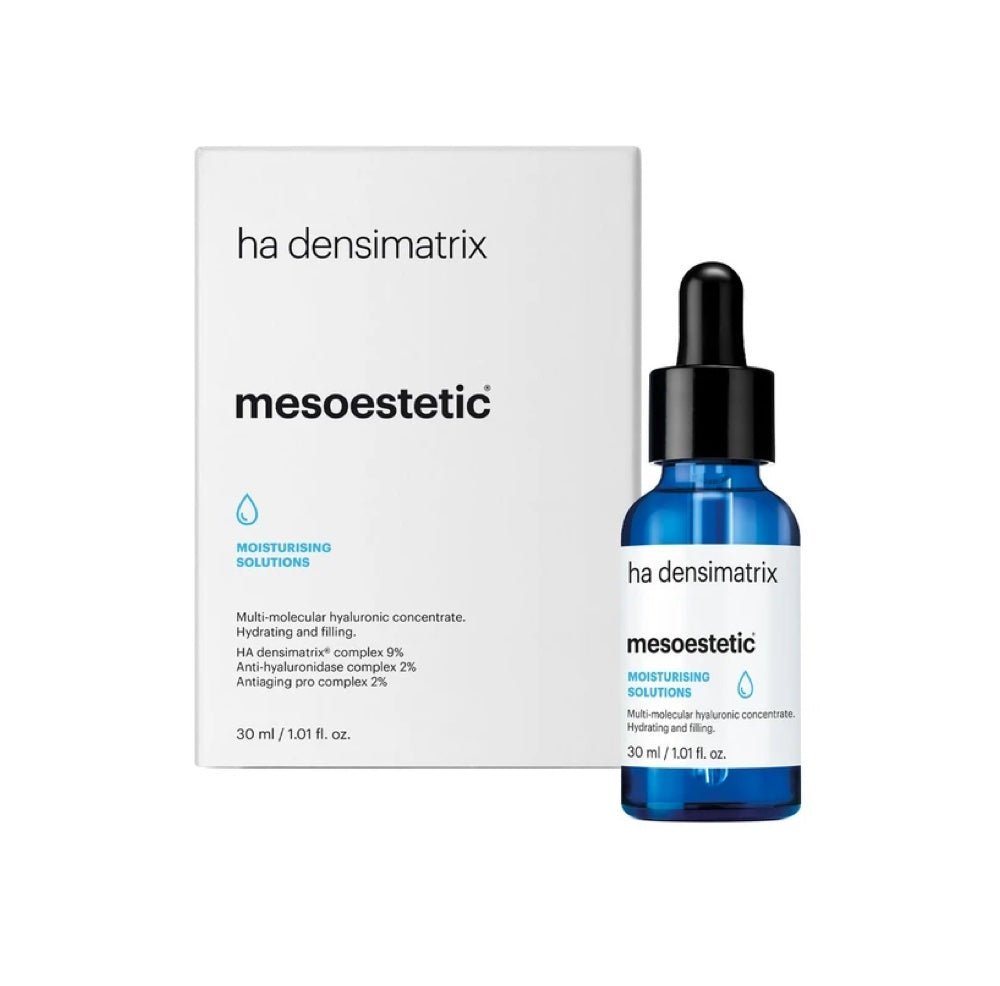
mesoestetic HA Densimatrix
This is a more "technology-driven" hyaluronic acid serum, combining high, medium, low molecular weight, and cross-linked hyaluronic acid, providing both immediate and long-lasting hydration. It also includes an anti-hyaluronidase formula to slow down the natural breakdown of hyaluronic acid in the body, making the hydrating effects more durable.
This serum also contains a pro-collagen complex, which can improve skin condition in terms of elasticity and firmness. It is ideal for individuals with combination dry skin that is both dehydrated and oil-deficient, as well as those showing early signs of aging (such as decreased elasticity, fine lines). Especially in Hong Kong's humid climate, its refreshing texture and strong moisturizing power prevent a heavy feeling.
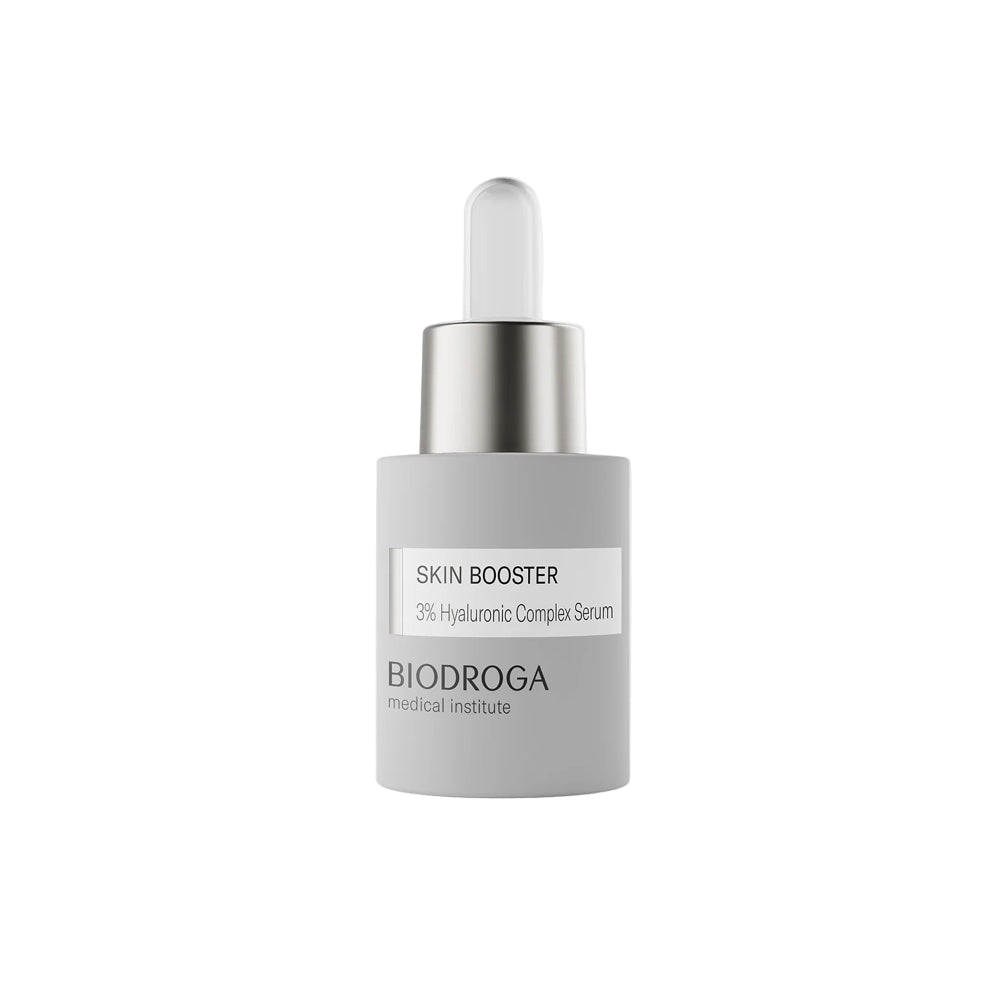
BIODROGA Skin Booster 3% Hyaluronic Serum
This is a hydrating serum known for its high concentration of 3% hyaluronic acid. Its main highlight is its multi-molecular weight hyaluronic acid technology, which allows it to penetrate both superficial and deep layers, achieving layered hydration. Small molecular weight hyaluronic acid penetrates quickly to replenish deep moisture, while large molecular weight hyaluronic acid forms a protective moisture film on the skin's surface, preventing water loss.
Biodroga also includes "Power Peptides Complex" to help rebuild the extracellular matrix and enhance skin elasticity, leaving the skin feeling softer and plumper. The formula is free of mineral oil, silicones, fragrances, colorants, PEGs, animal-derived ingredients, and microplastics, making it very friendly to sensitive skin. It is an ideal choice for dehydrated dry skin or individuals constantly in air-conditioned environments.
Hydrate or Oil-Replenish First? "Oil-Based Skincare" is a Prerequisite for Improving Dry Skin
Many sisters don't actually know whether their skin is dehydrated or oil-deficient. So before choosing a serum, you can do a few simple tests:
-
30 minutes after washing your face
If skin is tight and dry → Dehydrated
If dry but also shiny → Oil-deficient -
Oil blotting paper test
Oily forehead/nose but dry cheeks → Mostly oil-deficient
Entire face is generally dry → Tends to be dehydrated -
Environmental reaction
Dry places make skin drier → Dehydrated
Still oily in humid weather → Oil-deficient
However, in reality, many skin types are both dehydrated and oil-deficient, just to different degrees.
Therefore, the "oil-based skincare" concept has become a trend in recent years. According to international research, over half of adults have self-assessed as having sensitive skin; it was also found that 71% of respondents reported having sensitive skin, with about 40% experiencing moderate to high sensitivity.

When the hydrolipidic film becomes fragile, the skin becomes prone to redness, stinging, dryness, and sensitivity. (Image source: Canva)
Dermatologists in Hong Kong, Taiwan, and Japan also point out that: Asians naturally have thinner hydrolipidic films, and prolonged exposure to air conditioning in urban living makes them more prone to oil deficiency, redness, sensitivity, and barrier damage. Therefore, "oil-based skincare," which repairs the hydrolipidic film and helps skin retain moisture, is particularly popular in Asia, with more noticeable results.
When the hydrolipidic film is already damaged, no matter how much water is applied, it won't stay, and moisture will quickly evaporate again. So if your skin is both dehydrated and oil-deficient, the recommended steps should be:
-
First, replenish oil to repair the barrier (oil-based skincare).
-
Then, replenish water to supply the stratum corneum with necessary moisture.
Once the hydrolipidic film is healthy again, hydrating products can truly penetrate and be retained, and dryness problems will naturally improve faster and more stably.
Daily Care Recommendations: Adjusting from Lifestyle to Skincare

Increase your intake of healthy fats through diet, such as fish oil and nuts. For skincare, choose plant-based oil products like rosehip oil and squalane. This dual approach will help your skin quickly regain its hydration and softness. (Image source: Canva)
- Consume more healthy fats in your diet, such as Omega-3s and nuts.
- Avoid using overly stripping cleansing products.
- Maintain good sleep habits and emotional well-being, as stress directly affects sebum secretion.
- Adjust products seasonally: lightweight in summer, richer in winter.
- Perform deep hydrating treatments 1-2 times a week to maintain skin stability.
Consistent, meticulous care is more important than a one-time quick fix.
Find the Root Cause, Use the Right Method, and Your Skin Will Return to Its Best State
The reasons behind dry skin are not complicated. As long as you first identify whether your skin is dehydrated, oil-deficient, or both, and then use corresponding products and adjust your lifestyle, your skin will regain its hydration, radiance, and stability faster than you think.
We hope this article helps you "unlock" the true reasons behind dry skin, so your skincare routine is no longer a hit-or-miss.